U.S. Suspends Immigrant Visa Processing for 75 Countries in Major Immigration Crackdown
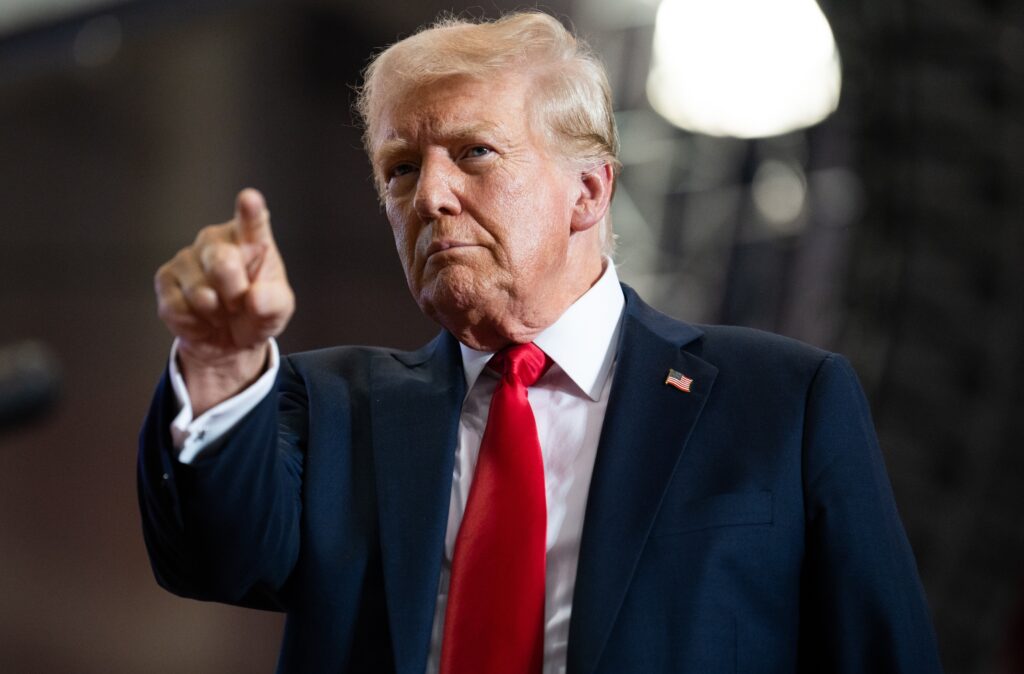
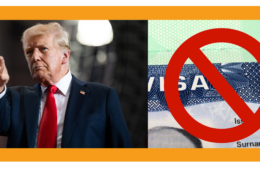
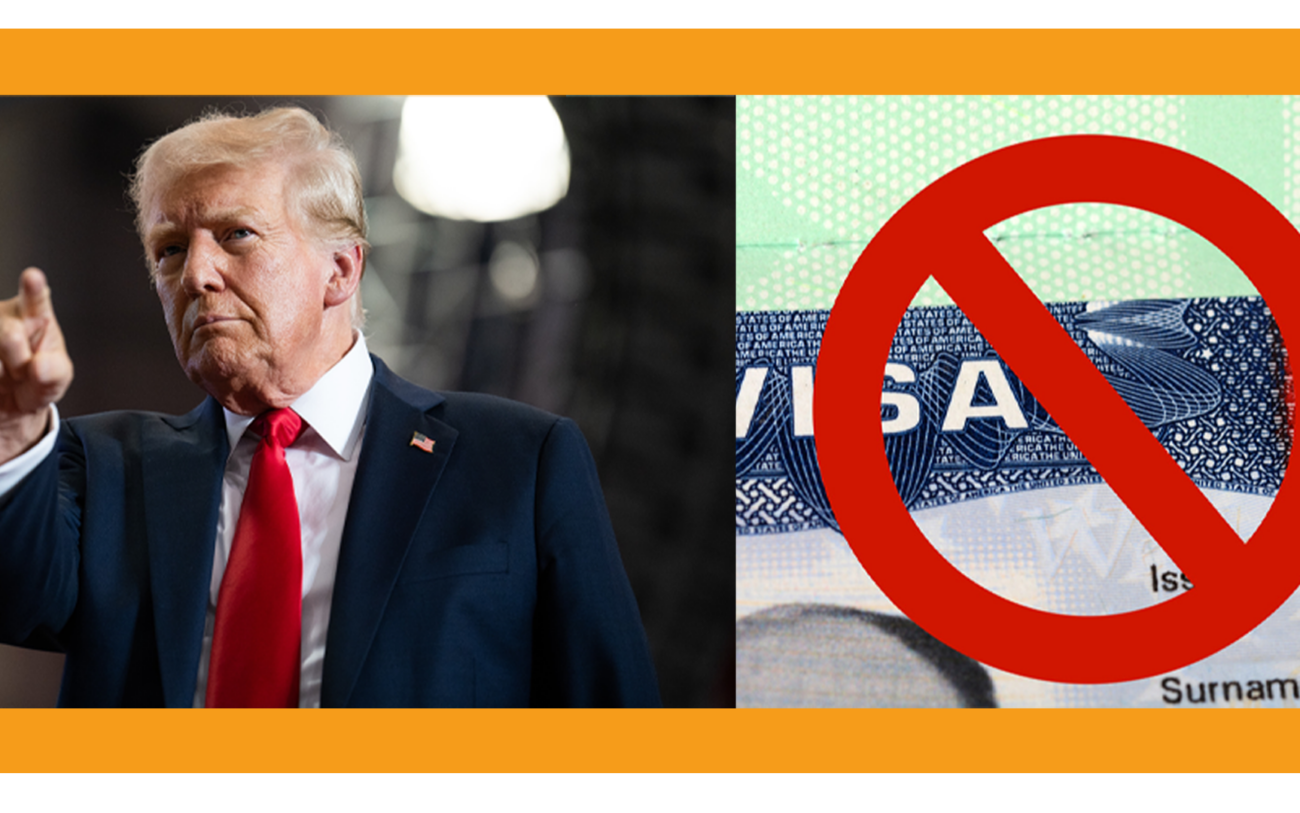
Washington, D.C., on January 14, 2026, The Trump administration announced a sweeping suspension of immigrant visa processing for citizens of 75 countries, effective January 21, 2026, in a move the White House says is intended to tighten scrutiny on prospective immigrants who might rely on U.S. public assistance
Under the directive from the U.S. State Department, consular officers around the world have been instructed to halt decisions on new immigrant visa applications from these nations while visa vetting and screening procedures are reassessed. Officials say the policy targets applicants “who are deemed likely to become public charges,” though critics call the measure discriminatory and far-reaching
The 75 Countries Affected (Alphabetical List)
The affected countries span Africa, the Middle East, Asia, Europe, the Caribbean, and Latin America. Among the nations included are
Afghanistan, Albania, Algeria, Antigua and Barbuda, Armenia, Azerbaijan, Bahamas, Bangladesh, Barbados, Belarus, Belize, Bhutan, Bosnia and Herzegovina, Brazil, Burma (Myanmar), Cambodia, Cameroon, Cape Verde, Colombia, Côte d’Ivoire (Ivory Coast), Cuba, Democratic Republic of the Congo, Dominica, Egypt, Eritrea, Ethiopia, Fiji, Gambia, Georgia, Ghana, Grenada, Guatemala, Guinea, Haiti, Iran, Iraq, Jamaica, Jordan, Kazakhstan, Kosovo, Kuwait, Kyrgyzstan, Laos, Lebanon, Liberia, Libya Macedonia (North Macedonia), Moldova, Mongolia, Montenegro, Morocco, Nepal, Nicaragua, Nigeria, Pakistan, Republic of the Congo, Russia, Rwanda, Saint Kitts and Nevis,Saint Lucia,Saint Vincent and the Grenadines ,Senegal, Sierra Leone, Somalia, South Sudan, Sudan, Syria, Tanzania, Thailand, Togo, Tunisia, Uganda, Uruguay, Uzbekistan, Yemen
Policy Scope and Rationale
The suspension applies only to immigrant visas—those that lead to permanent residency and does not affect tourist, business, student, or other temporary visas. The administration has emphasized that the measure is aimed at preventing immigrants who might rely on taxpayer-funded benefits from entering the country
According to the State Department, consular officers will review applications under existing public charge rules while the broader procedures for screening and vetting applicants are reassessed. The directive accompanies other immigration enforcement actions undertaken by this administration since early 2025.
International and Domestic Reactions
Legal and advocacy groups have sharply criticized the policy, arguing it unfairly singles out certain nationalities and undermines long-standing humanitarian commitments. Diplomats from affected nations say they are seeking clarification and assessing potential diplomatic responses. Some countries previously affected by U.S. travel restrictions have themselves imposed reciprocal measures on U.S. citizens
Civil rights organizations warn the suspension could tear apart families, delay reunifications, and have long-term impacts on global mobility and economic partnerships. They are already preparing legal challenges to the policy, claiming violations of international and domestic law.
Broader Impacts
While the policy does not apply to temporary visas, the broader climate of heightened visa scrutiny has raised concerns among travelers worldwide, especially ahead of major events hosted in the U.S., such as the 2026 FIFA World Cup. Visitors from affected countries may face stricter checks even for temporary entry
The suspension will remain in effect indefinitely as the State Department reassesses screening procedures and the criteria used to determine an applicant’s likelihood of becoming a public charge.