US STATE DEPARTMENTREVOKES OVER 100,000VISAS INCLUDINGTHOUSANDS OF STUDENTPERMITS
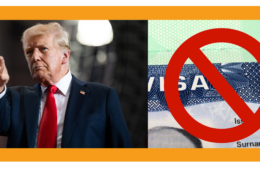
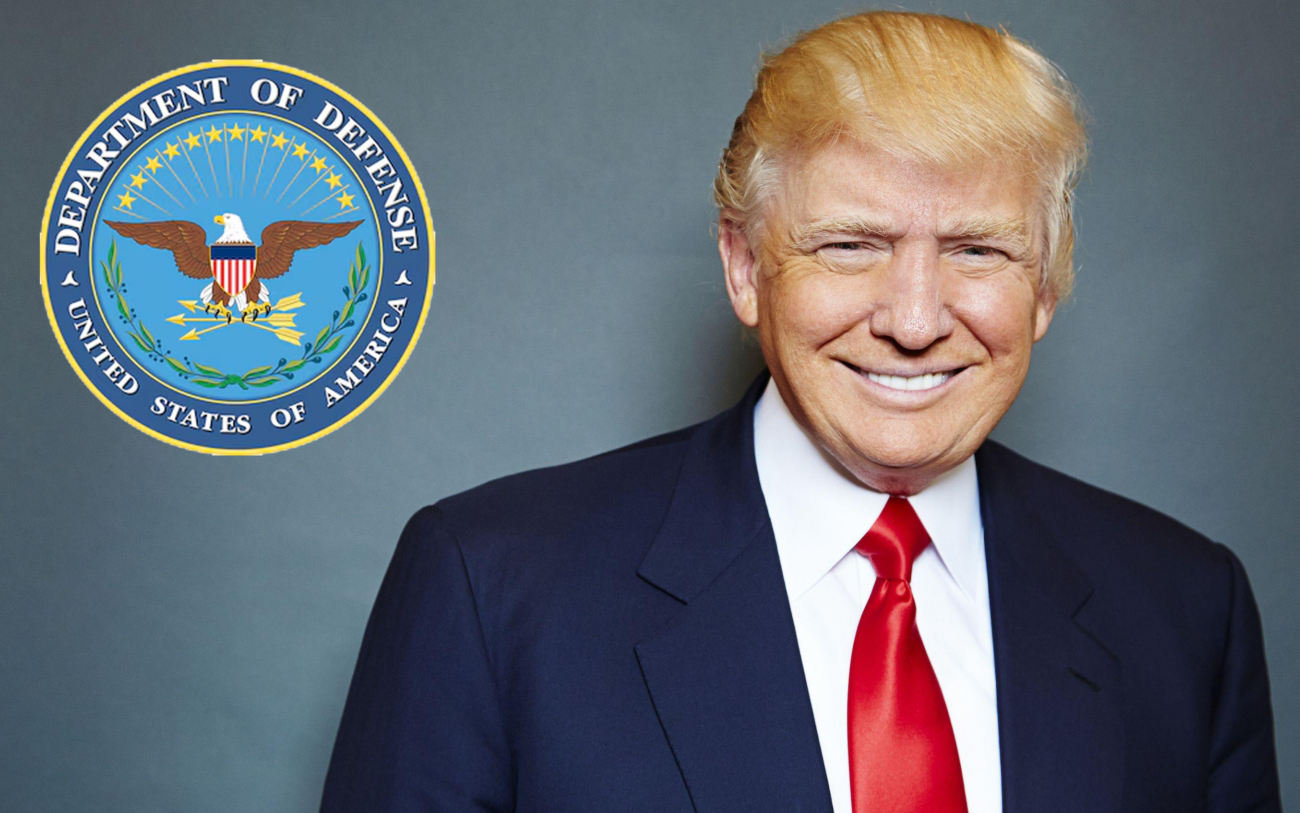
In a sweeping enforcement action that has stunned foreign students, workers, and immigrant communities worldwide, the U.S. State Department announced it has revoked more than 100,000 visas over the past year—a dramatic escalation in immigration enforcement following the return of Donald Trump to the presidency in 2025.
What Happened
According to an official statement on the State Department’s social media account, the agency has canceled over 100,000 visas—a figure more than double the number revoked in 2024 under the previous administration.
Among these cancellations were
• Approximately 8,000 student visas
• About 2,500 specialized work visas
• Thousands of other non-immigrant visas for business, tourism, and other categories
The State Department described the move as part of a broader crackdown on immigration and law enforcement compliance. Officials said the revocations targeted foreign nationals who had encounters with U.S. law enforcement, criminal charges, or violations of visa terms.
Official Rationale
State Department Principal Deputy Spokesperson Tommy Pigott explained the revocations reflect a harder line on public safety and legal compliance. According to the agency:
• Many visa holders had been charged or convicted of crimes, including drunk driving (DUI), assault, theft, and other offenses.
• A newly created Continuous Vetting Center is tracking foreign nationals who remain in the U.S. to identify potential threats and enforce visa rules.
Officials have framed the action as necessary to protect U.S. citizens and uphold immigration laws, emphasizing that a U.S. visa is a privilege, not a right.
Impact on Students and Workers
For international students and skilled professionals, the revocation campaign has been particularly disruptive:
• Approximately 8,000 student permits were canceled, affecting trainees, exchange visitors, and degree-seeking students.
• Some students lost status due to criminal records or violations recorded in law enforcement databases.
• Specialized workers, including those in high-tech and research fields, also saw their visas revoked for offenses ranging from DUI to accusations of child abuse, fraud, or embezzlement.
A significant number of revocations stemmed from overstays, expired status, or enhanced vetting procedures, not only criminal activity, signaling a shift toward more aggressive post-entry monitoring.
Policy Shifts and Vetting Measures
The surge in visa revocations is part of a broader overhaul of the U.S. immigration system under the current administration:
• The Continuous Vetting Center reviews visa holders even after arrival, looking for new evidence of non-compliance.
• Consular officers are now required to conduct enhanced background checks, including social media screenings, when applicants renew or seek new visas.
• New directives instruct diplomats and consular staff to be vigilant about applicants with activism or perceived hostility to U.S. policies, particularly related to geopolitical conflicts.
Repercussions and Criticism
The revocation campaign has sparked controversy:
• Academic institutions and immigration advocates say the policy has created uncertainty and fear among international students, discouraging enrollment in U.S. universities.
• Civil liberties groups have raised concerns about due process, especially when revocations are based on arrests or law enforcement encounters that didn’t lead to convictions.
• Some lawsuits have been filed in U.S. courts challenging parts of the broader immigration enforcement surge as arbitrary or unconstitutional.
Global Impact
Countries with large numbers of students and workers in the U.S., including India, China, and nations across Africa and Europe, have expressed concern over the scale of the visa cancellations. Many foreign governments are monitoring the situation closely as students and professionals grapple with abrupt changes to their legal status abroad.
Why This Matters
This mass revocation campaign illustrates a significant shift in U.S. immigration policy, prioritizing stringent enforcement, expanded vetting, and a broader interpretation of public-safety risks. For international communities, educational institutions, and employers reliant on foreign talent and students, the effects will likely be felt for years.
let us be your safest plug to travel/study Abroad peacefully