Ghana Appeals to UK to Waive IELTS Requirement for Students and Professionals
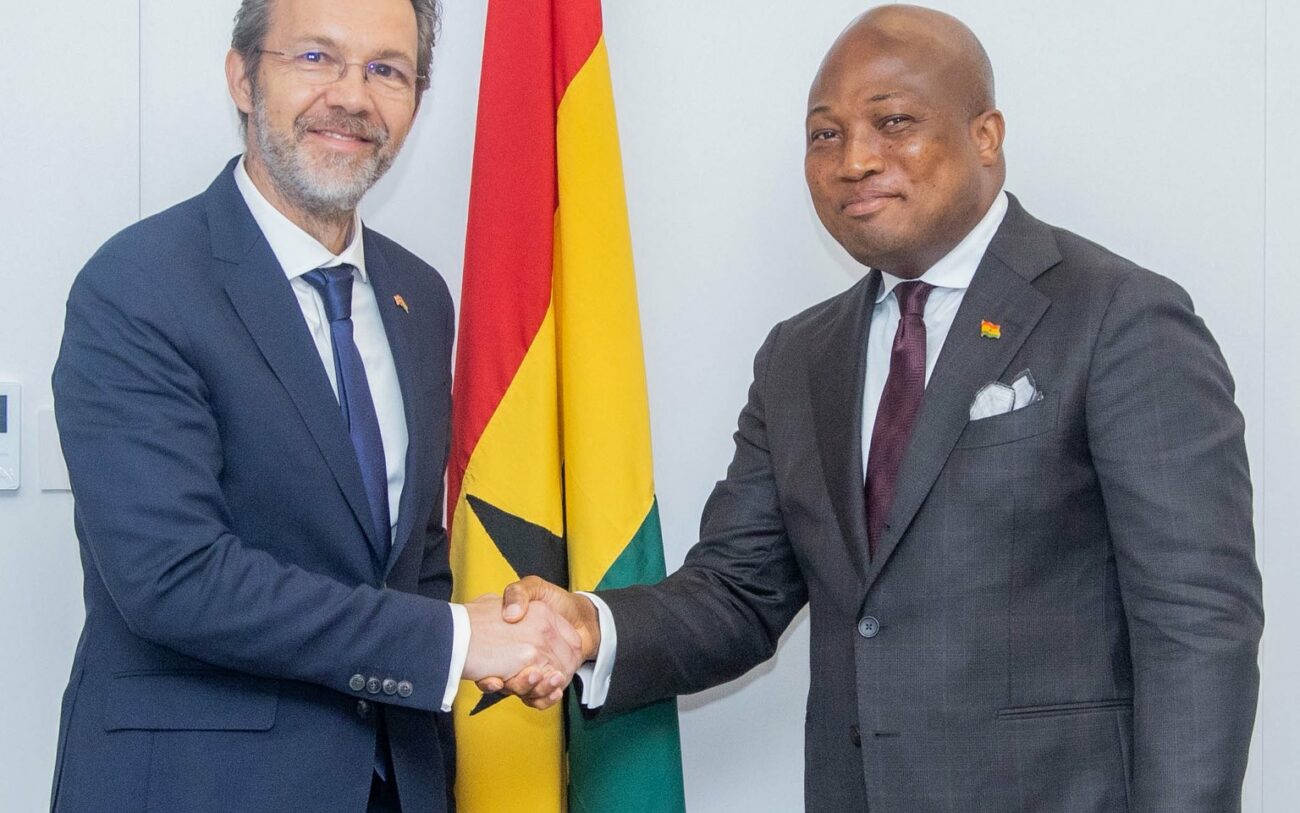
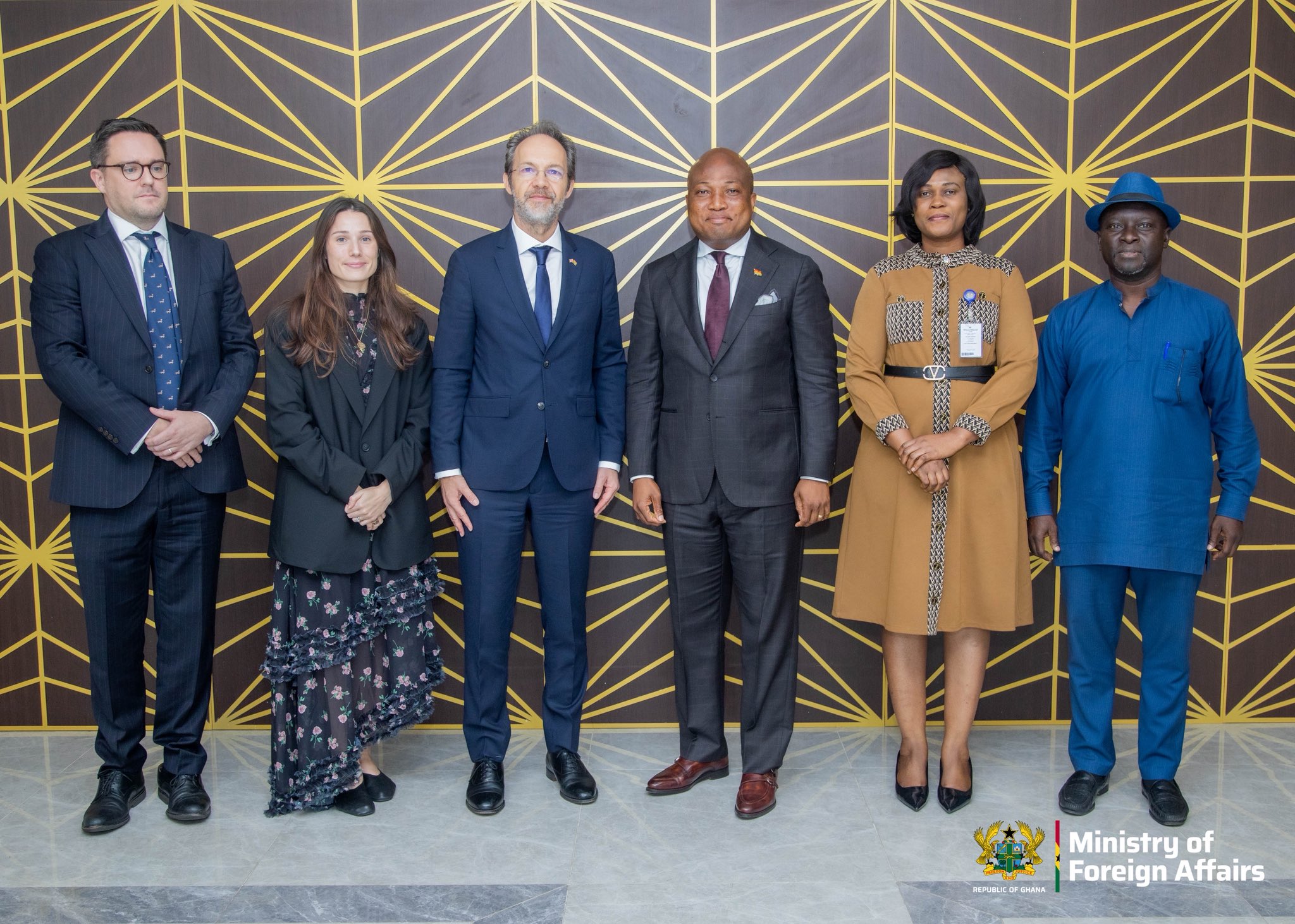
The appeal was made during a high-level engagement with the British High Commissioner to Ghana, His Excellency Christian Rogg, at the Ministry of Foreign Affairs in Accra on Tuesday, January 6, 2026.
The appeal was made during a high-level engagement with the British High Commissioner to Ghana, His Excellency Christian Rogg, at the Ministry of Foreign Affairs in Accra on Tuesday, January 6, 2026.
Why the Request Was Made
Hon. Ablakwa told the British envoy that
English is Ghana’s official language and the medium of instruction at all levels of education in Ghana, from basic schools to universities.
Because of this, requiring Ghanaians to sit the IELTS exam and pay associated fees places an unnecessary financial and administrative burden on applicants.
He argued that English language competency is already inherent in Ghana’s education system and that many Ghanaian students and professionals are fully proficient in English.
In his words:
“We called for Ghana to be exempted from the IELTS and the fees payable by Ghanaian students and professionals, since English has long been the medium of instruction in Ghana.
What the IELTS Requirement Means
The IELTS exam is an internationally recognized English language proficiency test used by universities, employers, and immigration authorities around the world, including in the UK. It is part of many visa and academic admission requirements.
For applicants outside countries where English is an official language, passing IELTS or a UK-specific Secure English Language Test (SELT) is normally mandatory for student visas, work visas, and professional registration
However, Ghana argues that this redundant test costs money and slows down recruitment and academic mobility for its citizens.
Part of the wider bilateral talks focused on the fact that the request to waive IELTS was not an isolated issue but part of broader discussions aimed at strengthening Ghana–UK relations and elevating cooperation to a strategic partnership.
During the meeting, both sides reviewed cooperation in key sectors, including security, trade, job creation, health, education, governance, and constitutional review.
Hon. Ablakwa also pushed for a formal government-to-government framework to protect Ghanaian health professionals working or seeking employment in the UK, particularly regarding working conditions and welfare protections
Responses & What Happens Next
At this stage, the appeal represents Ghana’s official request to the British government, not a guaranteed policy change. The UK government, as of now, continues to use English language tests (like IELTS and other SELTs) as part of its immigration and study requirements.
Officials from both countries are expected to continue diplomatic talks around this issue while also exploring broader frameworks for mobility and cooperation.
What This Could Mean for Ghanaians
If the UK were to grant an exemption or special consideration:
Ghanaian students would save time and money on testing costs.
Professionals, especially in healthcare, education, and skilled sectors, could move more easily for jobs.
However, the UK may still require other forms of language testing or selective criteria under its immigration rules. This appeal underscores Ghana’s growing diplomatic efforts to remove barriers for its citizens abroad and underscores the importance of English proficiency debates in international education and labour mobility.